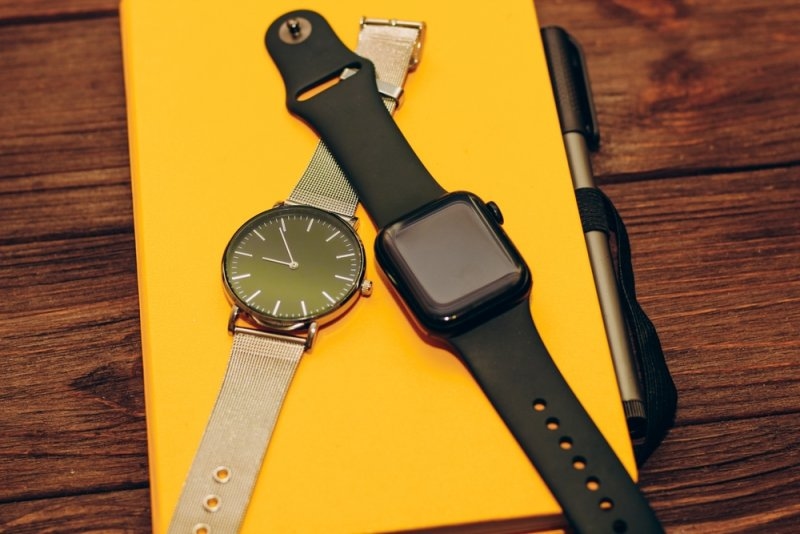
Smartwatch vs Traditional Watch: How to Find the Right One?
EditorAniket Pandey on Sep 30,2026
Key Takeaways
Smartwatches act as high-tech wrist computers demanding daily charging, while traditional watches run for years on a single battery.
Digital screens become completely obsolete in three years, whereas mechanical timepieces often appreciate over decades.
Choosing the right device requires deciding between aggressive health tracking data and timeless, low-maintenance aesthetic durability.
Choosing what to strap on your wrist is a massive lifestyle declaration. Silicon Valley aggressively invaded the space, strapping miniature computer screens to our arms. Now, consumers face a massive daily debate. When you pit a smartwatch vs. a traditional watch, you choose between digital utility and classic longevity.
Think of it as a phone screen cut down to fit your arm. It monitors your daily heart rate, tracks GPS routes, and buzzes constantly with texts. The catch? You are stuck feeding it battery juice every night, and the internal hardware turns into electronic landfill in just three years.
What Is A Traditional Watch?
It is a dedicated machine that tells time without begging for attention. Built with coiled springs, moving gears, or an old-school button battery, it skips pixels entirely. You throw it on, ignore chargers for a decade, and get an actual steel heirloom that outlives your car instead of burning out.
Smartwatch vs. Traditional Watch: Understanding the Key Differences
Stop pretending these two devices belong in the same category. You need to see the raw metrics side-by-side to understand the massive functionality gap.
Power Source
Smartwatches rely on heavy lithium-ion batteries needing daily wall power, while traditional pieces use natural kinetic movement or a ten-year quartz battery.
Hardware Value
Wearable tech depreciates the second you open the box, while high-end analog metals retain or build financial value over the decades.
Feature
Smartwatch
Traditional Watch
Core Function
Digital connectivity and health tracking
Pure timekeeping and aesthetic style
Battery Life
18 to 48 hours maximum
2 to 10 years
Lifespan
2 to 4 years before obsolescence
Decades, easily outliving the owner
Analyzing Smartwatch vs. Traditional Watch: Pros and Cons
Weighing the smartwatch vs. traditional watch pros and cons forces you to confront what you actually need from your hardware.
Ultimate Connectivity
Smartwatches give you brutal efficiency. You can answer text messages, pay for coffee, and navigate city streets without ever pulling your smartphone out of your pocket.
Battery Anxiety
Owning a digital wearable means living with heavy battery anxiety. If you forget to charge it overnight, you wake up wearing a dead black screen.
Timeless Appeal
Analog timepieces never look outdated. A well-made steel diver watch looks just as sharp with a tailored business suit today as it did fifty years ago.
Functional Limits
Mechanical pieces do exactly one thing. If you want to track your marathon pace or check incoming emails, an old-school dial is completely useless.
Choosing a Smartwatch vs. a Regular Watch for Daily Life
Your daily routine dictates what belongs on your wrist. Choosing a smartwatch vs. a regular watch comes down to controlling your digital environment.
Corporate Hustle
If your job requires immediate email responses, strap on the digital screen. It keeps you chained to the workflow without constantly staring at your phone.
Gym Grind
Serious athletes need raw data. A fitness tracker monitors your active heart rate and daily caloric burn, making it mandatory daily hardware.
Focused Professional
Constant notifications destroy deep work. A classic quartz dial prevents you from getting derailed by useless group chat alerts.
Weekend Escape
When you clock out, you need to disconnect. A rugged mechanical field watch lets you hike without the dread of a looming work notification.
Why Pick a Smartwatch vs. Classic Watch for Business?
Walking into a boardroom wearing a glowing digital screen sends a very specific message. When you debate a smartwatch vs. a classic watch for corporate settings, you are managing your visual reputation.
Tech Vibe
A glowing square makes you look highly tech-savvy, but it also signals to the room that you are constantly distracted by outside notifications.
Power Move
Sliding an automatic steel timepiece out from under a French cuff projects heavy authority and grounded stability without relying on cheap silicone straps.
Making the Choice Between Smartwatches and Traditional Watches
Stop overcomplicating the final decision. When determining whether to buy a smartwatch or traditional watch, look strictly at your actual behavior.
Audit Your Tech Addiction
If you already stare at a laptop all day, do not strap a third screen to your body. Buy the mechanical dial to give your brain a break.
Assess Your Health Goals
If you are actively trying to lose weight, the digital wearable is your best weapon. The raw metrics force you to stay physically accountable.
Look at Your Budget
Spending a thousand dollars on technology that becomes obsolete in thirty-six months is a terrible move. Invest that cash into a heavy stainless steel automatic instead.
Evaluate the Maintenance
Digital screens demand constant charging. If you hate maintaining your gear, buy a rugged solar-powered analog that you can put on and forget.
Conclusion
Stop wasting money on wristwear that does not fit your lifestyle. You have to clearly define what you want your wrist to do every morning. Settling the smartwatch vs. traditional watch debate requires brutal honesty. If you need aggressive data tracking and instant emails and do not mind charging a battery every night, buy the tech.
Frequently Asked Questions
How Did the Difference Between a Smartwatch and a Traditional Watch Change Fashion?
Silicon Valley basically tricked guys into wearing rubber gym bands with tailored suits. Five years ago, wearing plastic to a board meeting was a massive joke. Now, a glowing black square is completely acceptable office wear, destroying the old dress codes.
Will Mechanical Watches Eventually Become Completely Obsolete?
Never. People get sick of throwaway electronics. A heavy steel automatic watch gets handed down to your kids. Nobody is passing down a dead piece of tech from three years ago. Mechanical dials survive because they are built to actually last.
Can a Hybrid Watch Give Me the Best of Both Worlds?
Sort of, but you trade away the best features. A hybrid looks exactly like a standard metal watch but hides a step tracker inside. You get a battery that lasts months instead of hours, but you completely lose the big, bright touchscreen.
Does A Luxury Smartwatch Hold Its Financial Value Over Time?
Absolutely not. Even if a luxury brand wraps a digital screen in expensive titanium and sapphire crystal, the internal computer processor still ages out in three years. The technology becomes outdated instantly, causing the resale value to plummet compared to a standard mechanical model.
Why Do Analog Watches Cost So Much More Than Digital Wearables?
You are paying for actual human skill. Building a mechanical dial means a guy spends hours cramming tiny metal springs and gears into a steel case by hand. Smartwatches are just cheap computer chips pumped off a factory assembly line by the millions. That is exactly why the tech costs way less up front.