Best Smart Home Devices to Upgrade Your Home in a Better Way
Editor
Suman Pathak
on Sep 02,2026
Key Takeaways
- Smart home devices make your day-to-day life easier, save you energy, and boost your security and comfort.
- Smart gadgets aren’t just a fad anymore. With all the advances in AI home automation, these things actually learn how you live, then handle routines for you.
- It’s wild how connected devices now work in sync, so everything just flows.
- If you get familiar with the ups and downs before you start shopping, it’s way easier to pick what actually suits you. Compatibility matters a ton—it’ll save you headaches down the road.
Smart home gear is changing the way we live. Want better lighting? Need tight security? Hate cleaning? There’s a smart gadget for every need. With AI jumping in, you can control your home from your phone or just by talking to it. The tech is simple and futuristic all at once.
Best Smart Home Devices for Every Home
You’ll want to choose the best smart home devices that actually solve problems you deal with every day. Here’s a quick rundown of what works:
Smart Speaker
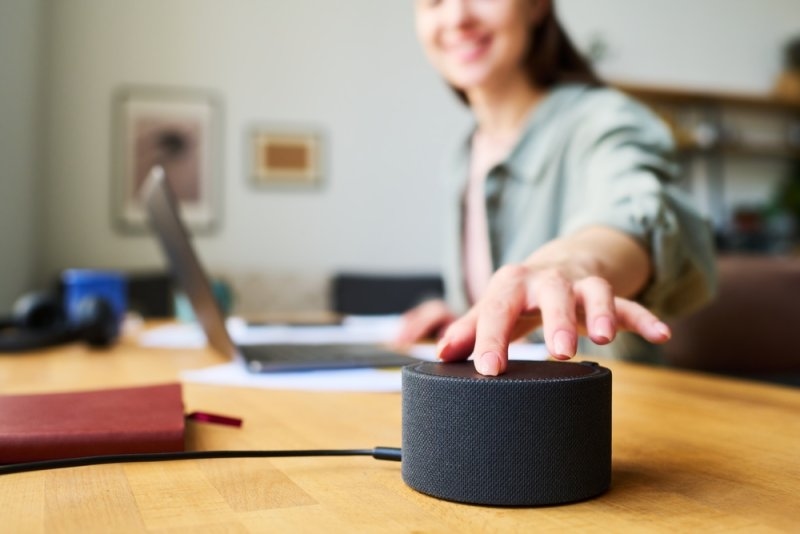
If you’re new to smart homes, this is where most people start. A smart speaker gives you control over other devices—lights, thermostats, you name it—just by talking. It’ll play music, answer random questions, remind you of things, and manage schedules.
Thanks to AI, smart speakers quickly catch on to your preferences. They automate everything, from dimming lights to adjusting the temperature. Honestly, nothing kicks off your smart home like one of these.
Smart Thermostat
This device ensures your house is cozy and saves energy at the same time. It senses your behavior patterns and regulates the temperature without effort. Top smart thermostats utilize AI to detect your daily habits and link to other devices for total control.
Smart Lighting
Smart bulbs and switches let you set brightness, color, and timing from wherever you are. No crazy installation needed—just plug them in.
They also offer some security tricks, like switching on lights when you’re not home to make it look like you are. Simple, smart, and practical.
Smart Video Doorbell
A smart doorbell shows you and lets you talk to visitors right from your phone. You’ll get motion alerts, which are handy to track packages or unexpected guests.
Pair it with your other smart gadgets, and it becomes one of the best ways to lock down your home security.
Smart Security Camera
Cameras—inside or out—show you what’s happening and send alerts when someone or something moves. Some even recognize people, pets, or deliveries using AI.
They give peace of mind, whether you’re at work or away on vacation. If security’s your thing, these are a must.
Smart Lock
No more fumbling for keys—a smart lock lets you use codes, apps, or even your fingerprint. You can unlock the door remotely for friends or family.
It’s one of the most useful upgrades, since it makes life easier and ramps up security at the same time.
Robot Vacuum
It’s hard to believe, but these vacuums really do clean by themselves. They dodge furniture, stick to a routine, and head back to charge when finished.
Powered by AI, they take the hassle out of cleaning. If you hate vacuuming (who doesn’t?), this is a game-changer.
Smart Plug
Smart plugs make your old appliances new again. Plug one in, and suddenly your lamp or coffee maker is controllable from your phone.
They’re cheap, and they let you try out smart tech without a big investment.
Smart Smoke Detector
This isn’t just an alarm—it actually sends alerts to your phone if something’s up, even when you’re not home.
They work well with other gadgets and give you an extra layer of safety.
Smart Home Hub
If you have a bunch of smart devices from different brands, a hub connects them all. Instead of switching apps, you manage everything from one place.
Hubs make AI home automation smoother and help keep things compatible, so your smart home doesn’t feel like a tech jungle.
Explore This Topic: How Live Commerce Is Changing the Way You Shop Online
Pros and Cons of Smart Home Technology
Every smart home comes with trade-offs. Let’s find out the pros and cons of smart home technology here.
Pros
- You get easy voice and phone control.
- Home security jumps up a notch—monitoring is simple.
- Smart tech helps cut energy bills.
- AI sets up routines so your place runs itself.
- You can check in and control stuff from anywhere.
Cons
- Setting it up takes some patience.
- Some gadgets make you pay for cloud services.
- An internet outage shuts down a lot of the features.
- Mixing brands might mean compatibility headaches.
- Privacy settings need attention and tweaking now and then.
How to Pick The Right Smart Gadgets?
First, figure out what actually matters to you—security, comfort, lighting, or saving money. Stick with gadgets that play well with each other. It’ll save you trouble as you add more later.
Go for products with steady updates and solid AI features. You’re better off investing in reliable stuff rather than just grabbing what’s cheapest.
Learn More: Factors to Consider When Buying Educational Books Guide
Conclusion
All these best smart home devices are here to make life easier, safer, and way more efficient. Whether you start small with a speaker or a light, or jump straight into security cameras, every step makes your home smarter. Put together the right gadgets, connect everything, and use automation—you’ll get a flexible smart system that adapts as your lifestyle changes.
Frequently Asked Questions
What is the best smart home device to buy first?
The easiest place to start is usually with a smart speaker, as they tend to work well with other smart home devices and integrate easily with voice controls. This also helps make all your future home automation setup easier down the line.
Do connected home devices consume more electricity?
In general, smart home gadgets and connected home devices don’t use much electricity when idle. Moreover, devices such as smart bulbs and smart thermostats tend to reduce overall energy usage by automating your home’s energy use.
Are smart home devices hard to set up?
In most cases, smart home devices are incredibly simple to set up with your mobile device and clear step-by-step guidance. In some cases - smart plugs, speakers, or bulbs, to be specific - you won’t spend even five minutes installing them.
How secure are connected home devices with AI automation?
By far the most you can do to help secure your AI-driven home automation system is to implement strong passwords, enforce multi-factor authentication, and install updates for your smart home device software to protect your smart home gadgets from unwanted access.
Can I develop the best smart home on a smaller budget?
It is indeed. When establishing a new intelligent environment in your home, the most sensible action is to start small with several smart plugs and bulbs - and a smart speaker - before gradually investing in things like smart cameras and thermostats.
This content was created by AI