How to Choose the Best Sunscreen for Babies That Works
Editor
Hetal Bansal
on Mar 31,2026
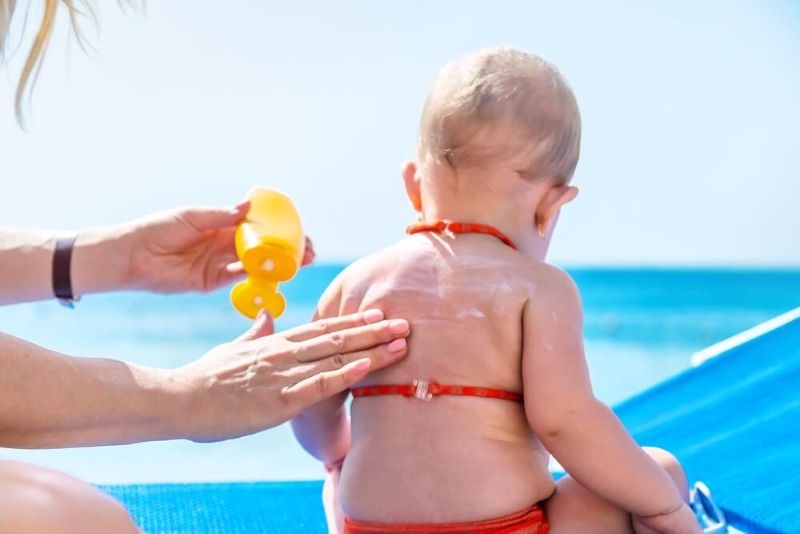
Babies honestly have the softest skin you’ll ever touch—it’s delicate, and super sensitive, way more fragile than adult skin. So sunscreen isn’t just nice to have; it’s a must. But here’s where most parents get stuck. Walk into any store, and all you see are shelves overflowing with “safe” and “effective” options. So how do you even pick the right one?
Let’s make it simple. Choosing a sunscreen for your baby isn’t only about the SPF number or the brand. You need to consider the ingredients, how sensitive your baby’s skin is, their sun exposure habits, and even whether your child hates certain textures. This guide’s here to break it all down so you can feel good about what you choose.
How to Choose the Best Sunscreen for Babies
Finding sunscreen for babies isn’t hard, but you do have to pay attention. Those tiny differences in ingredients or SPF can really affect safety and effectiveness.
So what matters most?
Why baby's skin needs special care
A baby’s skin is thinner and more sensitive than yours, so it absorbs chemicals faster and gets sunburned more easily. Even a little time outside can cause irritation or redness. Pediatricians usually urge extra caution with sunscreen, especially for babies under six months.
Here’s what you need to remember: not every sunscreen is made for delicate skin. Adult products can have harsh stuff in them. So rule number one—always use sunscreen labeled for babies or sensitive skin.
Suggested Reading: A guide to skincare ingredients for beginners and experts
Understanding SPF And What It Really Means
SPF is one of the first things people notice on a sunscreen label. But what does it actually tell you?
Let’s clear that up.
Which SPF is best for babies?
Most experts say to go for SPF 30 to SPF 50 for babies older than six months. SPF 30 blocks about 97% of UVB rays, SPF 50 blocks about 98%. That tiny difference can matter on days when you’re outside longer. Just remember, higher SPF doesn’t mean you can skip reapplying. You still need to reapply sunscreen every two hours—especially after water or sweat.
So, aim for SPF 30 or more, but focus on using it properly.
Choosing Between Mineral And Chemical Sunscreens
This one confuses tons of parents. Sunscreens usually fall into two camps: mineral and chemical.
Mineral sunscreen explained
Mineral options use zinc oxide or titanium dioxide. These just sit on the skin and bounce UV rays away. They’re great for babies because:
- They start working right away
- Less likely to irritate sensitive skin
- They don’t soak deep into the skin
You’ll probably notice a white cast. That’s normal, and honestly, it’s a small price to pay for safer ingredients.
Chemical sunscreen explained
These absorb UV rays and convert them into heat, letting it escape from the skin. They work, but sometimes cause irritation—especially with sensitive baby skin. So, mineral is usually a better bet for infants and young kids.
Ingredients To Look For And Avoid
Ingredient labels can look intimidating, but once you know what to watch for, it gets easier.
Safe ingredients to prioritize
When choosing the best brand of sunscreen for babies, look for these:
- Zinc oxide
- Titanium dioxide
- Fragrance-free formulations
- Hypoallergenic labels
These ingredients are gentle and less likely to trigger reactions.
Ingredients to be cautious about
Some ingredients are better avoided, especially for babies:
- Oxybenzone
- Avobenzone
- Added fragrances
- Alcohol based formulas
These can irritate sensitive skin or cause allergies. If the ingredient list seems long and complicated, slow down and check what’s in there.
Texture, Application, And Ease Of Use
You might think texture doesn’t matter, but if you’ve ever tried to apply sunscreen to a squirmy baby, you know better.
Creams, lotions, and sticks
Different formats work better in different situations:
- Creams are thick and give solid coverage
- Lotions spread more easily and sink in faster
- Sticks are handy for tiny spots like cheeks
Most parents stick to creams or lotions—they make it easier to cover all those little limbs.
Making the application easier
Put sunscreen on before you go outside—honestly, it’s less stressful to do it indoors with a calm baby than out at the park. Don’t miss the ears, neck, feet, and hands. These burn fast and get forgotten.
Don't Miss: Brighten your glow through gut health for skin balance
Water Resistance And Outdoor Protection
Babies love water, whether it’s a splash pool or a quick bath at the beach. That’s why water resistance matters more than you might expect.
What water-resistant really means
Water-resistant sunscreens stay put for either 40 or 80 minutes with water or sweat. After that, you need to reapply.
When it matters most
If your little one’s outside by water, water resistance is essential. But sunscreen isn’t enough. Use lightweight, long-sleeve clothes, hats, and shade. The real protection comes from combining habits, not just relying on one thing.
Finding The Best Brand Of Sunscreen For Babies
Let’s be real—brand names still sway parents, and that’s fine if you know what to look for. The best brands:
- Clearly say “baby” or “sensitive skin.”
- Have short, safe ingredient lists.
- Are tested by dermatologists or pediatricians
- Get solid customer reviews
Brands with a focus on baby care usually put more effort into gentle formulas.
Also Read: Explore Best Face Scrubs 2025 for Youthful & Glowing Skin
Conclusion
Picking the right sunscreen for your baby doesn’t have to feel stressful. Once you know the basics, it’s easier to make a good call. Look for gentle, mineral formulas with SPF 30 or more. Check the ingredients. Build easy habits—like reapplying and dressing your baby in protective clothes.
You don’t need a “perfect” system. Just a thoughtful one. With the right approach, your baby’s safe, comfy, and ready for outdoor fun—no worries.
FAQs
Can babies under six months wear sunscreen?
Most pediatricians recommend avoiding sunscreen for babies under six months unless absolutely necessary. Instead, keep them in the shade and use protective clothing. If sun exposure can’t be avoided, a small amount of mineral sunscreen may be used on limited areas after consulting a doctor.
How often should I reapply sunscreen to my baby?
Sunscreen should generally be reapplied every two hours. If your baby is sweating or playing in water, you may need to reapply sooner. Even water-resistant formulas lose effectiveness over time, so staying consistent matters.
Is spray sunscreen safe for babies?
Spray sunscreens are not usually recommended for babies. They can be inhaled during application, which may irritate the lungs. Creams or lotions are a safer and more controlled option for even coverage.
Can sunscreen cause skin reactions in babies?
Yes, some babies may react to certain ingredients, especially fragrances or chemical filters. If you notice redness or irritation, stop using the product and switch to a gentle mineral-based sunscreen designed for sensitive skin.
This content was created by AI